Same Story, Different Focus
I saw the trailer for Nappily Ever After and was intrigued by the story—a woman deciding to cut her hair to rediscover herself and show that she was worth more than her appearance. It was about a redefinition of womanhood, and I was excited about this. When I discovered it was based on a book, I decided to read it. From my experience, the book is always better than the movie—but in this case, I may have to negate that assertion.
The story centers around Venus, a woman who grows tired of trying to be perfect, especially with her hair, and decides to shave it off, shocking her friends and family. More central to the story is how this single act affects her relationship with her boyfriend. While the book portrays this act as not necessarily a deal breaker for Clint (Venus’ boyfriend), but rather a projection of Venus’s insecurities, the movie shows Clint as someone who clearly desires a “perfect” woman. In the book, Clint is a struggling young man; in the movie, he is more established and successful.
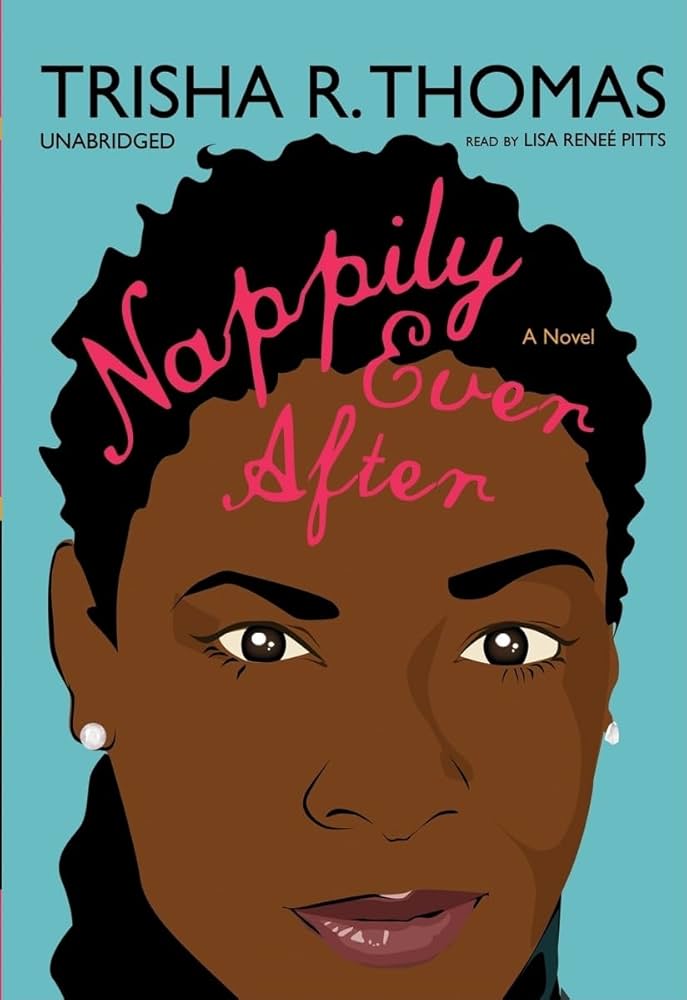
The author’s main focus is Venus’s growth and self-discovery. The movie stays on this path but condenses many of the details (as movies often do). Interestingly, Venus in the movie appears more self-aware than Venus in the book. Many characters in the book added little to the story—Venus’s uncles and some family members could have been left out, and nothing would have changed. The movie producers seemed to recognize this and wisely shrank the cast.
Themes of Womanhood and Workplace Realities
The office drama also differs between the book and the movie. The movie portrays Venus’s workplace as competitive and misogynistic, with Venus working hard to change how women are portrayed in advertising. In contrast, the book addresses sexual harassment and how women are often disadvantaged in such cases—rarely believed and expected to “calm down.” When Venus reports the threatening notes she’s receiving, her boss simply suggests she take a vacation. This kind of dismissal reflects the reality many women face in offices, where they are made to feel responsible for what is happening to them.
Trisha Thomas had good intentions with the book, but I felt that much of the drama was just drama. I wasn’t drawn to any of the characters. I also found the ease with which Venus and Clint moved on to other love interests unsettling. If the goal was to show that there was never real love between them, that message came across—but it also made their relationship feel hollow. The movie, on the other hand, was less dramatic and more streamlined, focusing more intently on Venus.
Many reviewers have said that the book was not great, and I might agree. The movie wasn’t spectacular, but it was more focused, and the dialogue contributed more meaningfully to the story. The conversations in the book didn’t stand out to me, but perhaps the most meaningful one was between Venus and her father—not the one with Clint. By that point, I was just rolling my eyes. I didn’t connect with Venus as much as I would have liked. As for Kandi (Clint’s new love interest), I had no sympathy for her. She was portrayed as overly needy, and even though the author tried to generate compassion for her at the end, she still wasn’t likable.
Final Thoughts: Read or Watch?
Honestly? The movie wins this round.
While the book opens important discussions; What defines womanhood? How should Black women relate to their hair, How should women deal with sexual harrassment… its execution felt underwhelming. I walked away feeling disconnected. The movie, although not flawless, delivered a more streamlined, emotional, and empowering journey.
I’m not sure I’ll continue with the book series. But I’m grateful for what the story attempted to do, even if it didn’t fully land on the page. Sometimes, the screen offers the clarity the book couldn’t quite deliver.


 Book Diaries
Leave a reply to Anita Ehinomen Omo-Okhuasuyi Cancel reply