What Is It About Caribbean Stories That Captivate Us?
There’s something about Caribbean stories! I can’t quite explain the spark they ignite in me whenever I read them. Is it the rhythm of the language? The vibrant cultural backdrop? Or the unapologetic way these stories present complex human emotions?
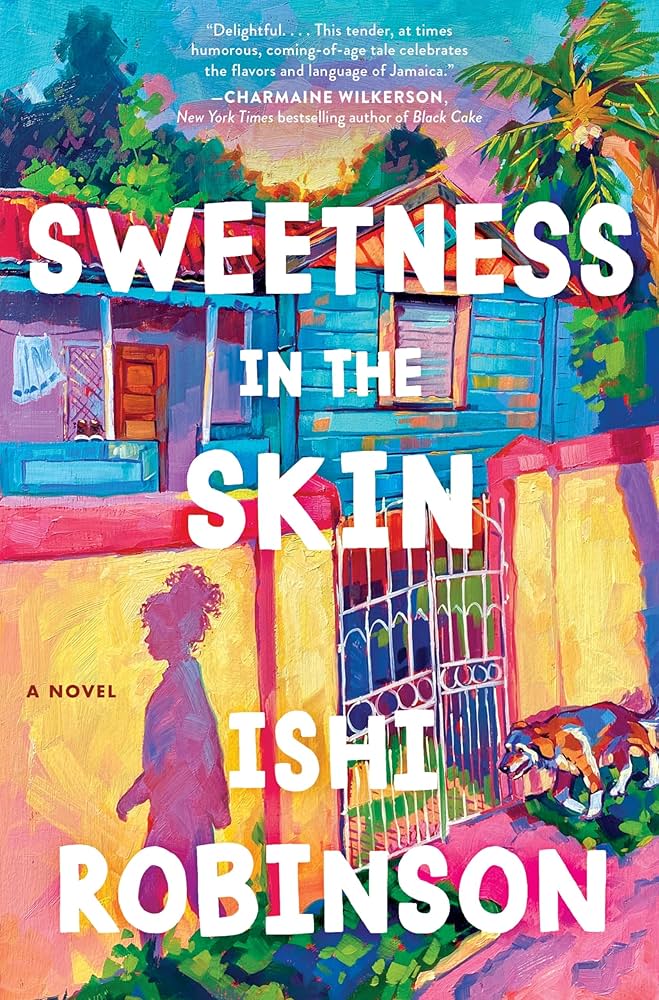
Beyond the depth and searing power of the narratives from this region, the language always colours the experience. When I saw the cover of this book, I was immediately drawn to it. Even more interesting was the plot—about a young girl, Pumpkin, who uses her baking skills to raise money in hopes of joining her aunt in Paris.
It sounds simple, right? But don’t be fooled. The story is layered with tension, emotion, and pressing social themes that make you pause and ask: What lies beneath the surface of a seemingly ordinary story?
A Fractured Family and the Inheritance of Pain
At the heart of the story is Pumpkin’s emotional distance from her mother, Paulette, and her closeness to her aunt, Sophie. The friction between the two sisters—Paulette and Sophie—stems from their own mother’s preference for Sophie, who has a lighter skin tone.
The favouritism rooted in colourism creates deep-seated resentment. Paulette’s unresolved bitterness seeps into her relationship with Pumpkin, resulting in a dynamic so strained, it leaves a sour taste in the reader’s mouth.
You begin to wonder: How do we navigate relationships where love is meant to flow naturally, but pain gets in the way?
Colourism: The Social Ladder and Skin Tone
Pumpkin’s grandmother’s partiality towards Sophie because of her lighter skin reflects a wider societal belief: that skin colour can determine social mobility. In many postcolonial societies, this is not fiction—it is a lived reality.
The novel doesn’t preach, but it shows—gently and clearly—how colourism influences self-worth, opportunity, and belonging.
What doors have we watched open—or close—for others, based not on merit, but on the shade of their skin?
Pumpkin’s Resilience and the Quiet Power of Chosen Family
Despite the obstacles she faces, Pumpkin’s quiet determination carries the story. Her resilience is admirable. Even when her mother actively tries to derail her plans, we see how love—true love—can come from unexpected places.
This is where the book shines. While her biological family fails her in certain ways, her chosen family steps in. Friends like Tamara, and her devoted aunt, become her support system.
Have you ever felt alone, only to realise someone was quietly rooting for you all along?
Love in Small Places
Love in this novel is not loud, but it is present. It’s not about romance, but about care, consistency, and emotional safety. The bond between Sophie and Pumpkin mirrors the kind of nurturing love we wish to see between every mother and daughter.
Her friendship with Tamara, too, is affirming—it shows that love is not limited to bloodlines. When Pumpkin seems alone, her friends rally around her, reminding both her and the reader that love shows up in small, sometimes unexpected, ways.
Language, Style, and What’s Left Unseen
The language of the novel is simple yet textured. The mix of English with Jamaican Patois gives it life and authenticity. It flows smoothly, and the characters play their roles with conviction.
That said, I still felt like more could have been done with Pumpkin’s character. It felt like I saw her—but didn’t fully see all of her. Was that a narrative flaw or a reflection of how society views young girls like her?
Are We Ever Truly Alone?
Whatever it is, we are never truly alone. The story subtly reminds us that when we look around our communities—our classrooms, neighbourhoods, or even bus stops—there is often someone willing to extend a hand.
Have you ever thought about the people around you—those who, without being asked, show up for you?
Could it be that the love and support we crave often come from the most unexpected places?
Final Thoughts: A Story for Anyone Who’s Ever Wanted More
This novel is about more than one girl’s journey—it’s about ambition, survival, and the invisible hands that hold us when everything seems to fall apart.
It is a story for anyone who has been told they can’t, who has struggled to rise above rejection, or who has questioned their place in the world.
Isn’t that what we all need sometimes? To know that we’re not alone—and that the struggle is not the end of our story?
It’s one of those books I would recommend to anyone seeking some comfort in knowing that someone else shares their fears, and that no matter how high the hurdles seem, they can be overcome.
A good book indeed.


 Book Diaries
Leave a reply to Bookdiaries Cancel reply