After reading Slow Dance, Summer’s Echo was suggested to me. (Read my previous article here) In the romance genre, friends to lovers is one of the tropes I’m drawn to, not just for the romance, but for how it often explores the passage of time, the evolution of affection, and the quiet ways friendship deepens into something more. I was eager to step into Summer’s Echo with that same sense of curiosity and hope.
Synopsis
The story begins with Summer, sitting alone in her car and crying. She is supposed to be at her wedding but cannot bring herself to go through with it after realizing she does not love her groom. It is a painful moment of honesty that sets the tone for the emotional unraveling that follows.
While sitting in the park, lost in thought, her ex, Echo, finds her and tries to comfort her. That chance encounter becomes a doorway into their shared past. The author weaves between timelines, showing how they met, how their friendship blossomed, and how both of them changed while chasing their dreams. Through alternating chapters of past and present, we come to understand not just who Summer and Echo are, but how their families, ambitions, and choices shaped the rhythm of their connection.

Comparing Both Books
Both Slow Dance and Summer’s Echo explore how time reshapes young love, the kind that lingers even after people drift apart. Yet their emotional foundations differ. Summer and Echo come from stable, loving families that give their story a certain warmth, while Shiloh and Cary from Slow Dance carry a quiet ache from the lack of that stability. Their different upbringings influence how they love, communicate, and forgive.
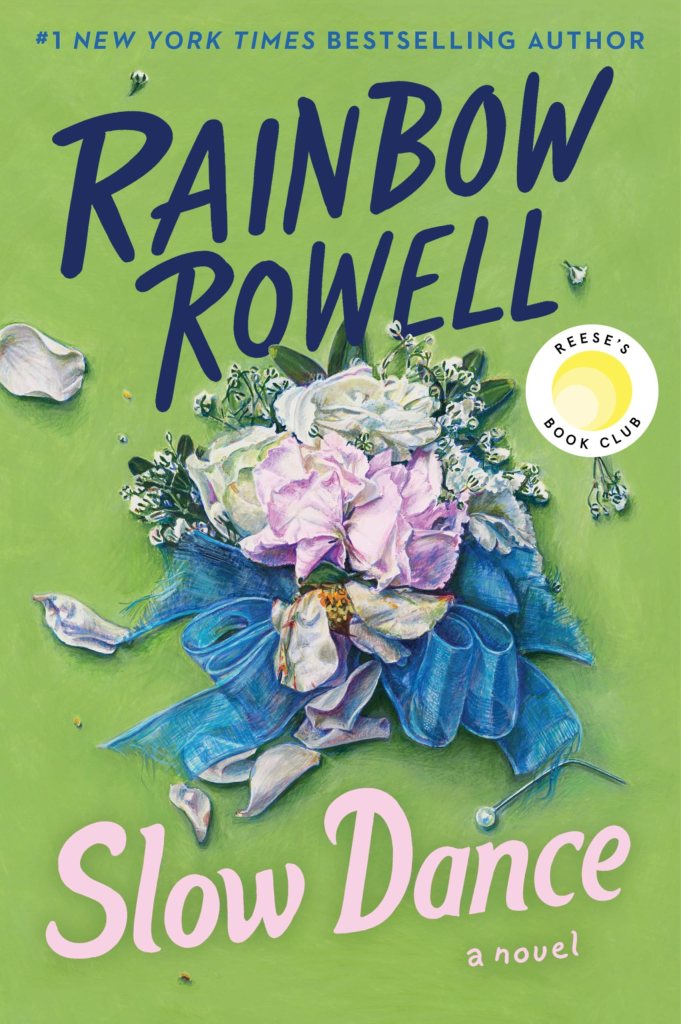
It is interesting that both pairs reunite at a mutual friend’s wedding, a moment heavy with nostalgia and “what ifs.” In each book, the characters must face who they have become as adults while confronting the unfinished business of their youth. There is something universal about that, how love stories often circle back to old beginnings, testing whether what once was can still be.
Structurally, both authors use a back-and-forth timeline that mirrors the way memory works, fragmented yet deeply connected. Still, I found myself more drawn to the dialogue in Slow Dance. Cary and Shiloh’s conversations carried a sharper emotional pulse, while Summer and Echo’s felt gentler and more hesitant. Yet in both stories, the male characters seemed more emotionally grounded, clear about what they wanted, while the women wrestled more visibly with uncertainty and vulnerability.
Conclusion
Both books were enjoyable reads, even if not unforgettable ones. They tell stories of ordinary people who fall in and out of love, who make mistakes, and who try, years later, to find their way back not just to each other but to themselves.
What stayed with me was not the romance itself but the reflection it inspired: how time softens people, how friendships evolve, and how the past often lingers in ways we do not expect. Slow Dance and Summer’s Echo may not leave a lasting mark on the literary map, but they capture something real—the delicate, imperfect ways we love, lose, and learn to begin again.
 Book Diaries
Leave a comment