A Story of Devotion, Indoctrination, and Awakening
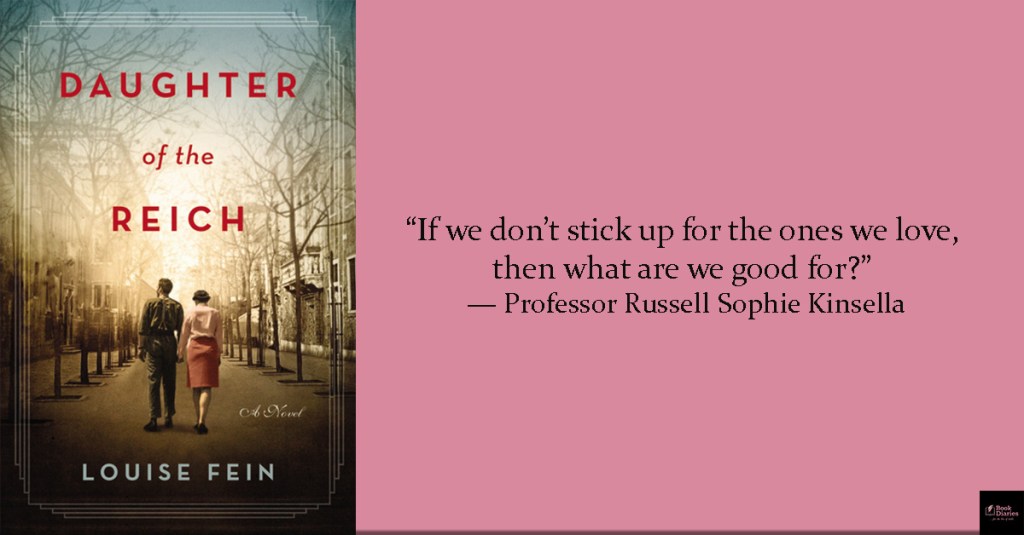
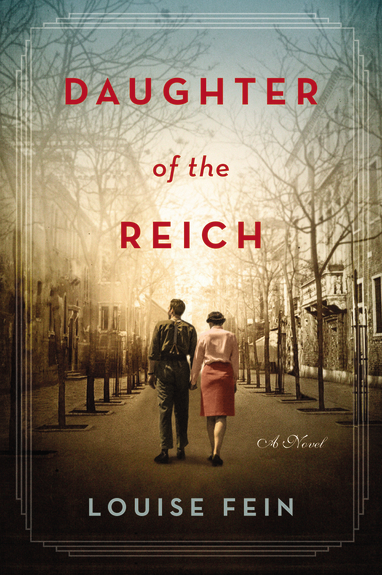
Daughter of the Reich is a poignant and haunting novel narrated by Hetty Heinrich, the daughter of a high-ranking Nazi official. Set against the backdrop of 1930s Germany, the story begins with a dramatic scene where a young Jewish boy, Walter, saves Hetty from drowning. From this moment, the story shifts to glimpses of Hetty’s early life and her interactions with friends and family. What follows is a powerful exploration of identity, indoctrination, and love amid one of history’s darkest periods.
The author gradually builds up the narrative around the rising unrest in Germany and the ascent of the Nazi Party. Hetty, like many others, welcomes the sweeping changes in Germany’s political landscape and pledges her devotion to Adolf Hitler.
Her mindset begins to shift when she falls in love with Walter, who is Jewish—the same boy who once saved her, now a young man living under increasing persecution. Their relationship becomes increasingly difficult, as hatred toward Jews intensifies in Germany, making a relationship between a German and a Jew a crime. Hetty’s conversations with Walter begin to change her view of Hitler. What was once devotion evolves into hatred and resentment toward his rhetoric. Despite the growing danger, Hetty cannot distance herself from Walter—but this love story was never meant to last.
The Burden of Truth and the Power of Resistance
The emotional toll intensifies as Hetty uncovers a shocking secret about her father, a man she reveres. As she navigates the complexities of familial loyalty, personal grief, and forbidden love, the novel masterfully illustrates the psychological and emotional burdens of a young girl struggling to make sense of right and wrong in a world that has lost its moral compass.
This book offers a glimpse into how German society prepared for war and how propaganda against the Jews was planned and disseminated through the media. Hetty’s father serves as a tool in the Nazi Party’s hands, spreading its devious ideology. The story reveals both the depths of human depravity and the love that is often overshadowed by darkness.
In the midst of riots and societal unrest, Hetty finds support in her friend Anna. Anna stands by her, and the author uses this relationship to highlight that, even in darkness, some people remain a spark of light. Anna isn’t the only one who helps Hetty protect Walter, and this restores the reader’s hope in humanity.
Lessons That Echo Beyond the Pages
The ending is bittersweet—satisfying in its honesty, yet painful in its reality. At times, I found myself frustrated with Hetty, angered by her naivety. But then I remembered—she is a teenager, in love, and caught between two worlds. Her internal conflict is both realistic and heart-wrenching. By the end, I was fully invested in her journey, rooting for her as she stumbles toward clarity and direction.
Reading this book today, I couldn’t help but reflect on the troubling persistence of hate ideologies in our modern society. The Holocaust may be a historical event, but its echoes still ring loudly. Daughter of the Reich serves as both a love story and a cautionary tale, urging us to never forget, and to stand against hatred in all its forms.

I would recommend this book in a heartbeat to anyone who wants to learn history and understand it through human characters. Though fictionalised, it symbolises the lived reality of many.
Thank you, Louise Fein, for sharing this story with the world. We hear your message loud and clear.
 Book Diaries
Leave a comment