The Power of Stories
Stories have a remarkable way of changing us. They open windows into lives we may never live and transport us to places we may never physically reach. For me, stories have been more than entertainment—they have been a transformation.
Storytelling has always been a cornerstone of human experience, but today, writers like Salman Rushdie remind us that telling the truth can come at a dangerous cost. In his memoir Knife, Rushdie recounts his near-fatal attack and reflects on the power—and peril—of stories that challenge norms. This essay explores why defending the freedom to tell stories is more important now than ever.
My First Encounter with Salman Rushdie
It was during my university days that I first encountered the work of Salman Rushdie. Our assigned reading was Midnight’s Children. I remember those early pages vividly: the initial confusion, the slow pull into a world where magic and political history intertwined so seamlessly that the boundaries blurred. Rushdie’s use of magical realism wasn’t just clever—it was a revelation. As a literature student, I quickly realized he was among the masters, reshaping how I understood narrative and reality.
Shock and Reflection
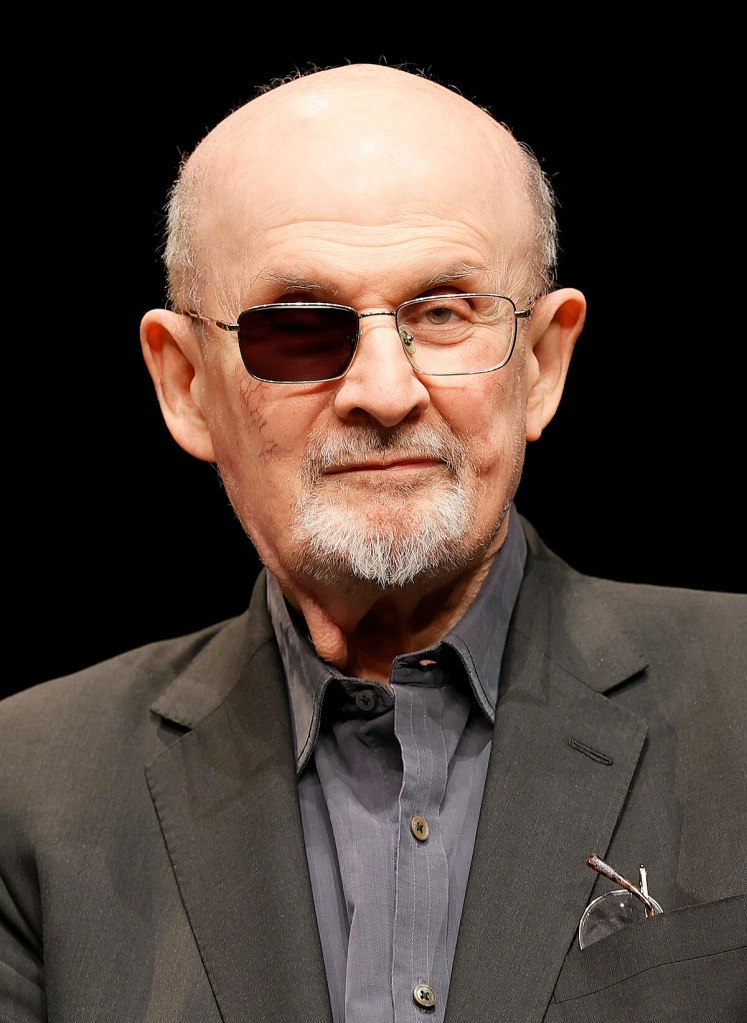
So imagine my shock years later, watching the news, seeing that someone had attempted to kill him—right there, on stage.
I had known, even as a student, that Rushdie had faced severe backlash for his novels. He had been labeled a dangerous influence in parts of Indian society and beyond. But in the safe walls of the university, it never fully registered that the anger his words provoked could materialize into real-world violence, in full public view.
It left me grappling with a question that refuses to loosen its grip:
When did telling stories become a crime?
When did the simple act of questioning norms, traditions, and inherited beliefs become so threatening that it warranted bloodshed?
The Dangerous Enterprise of Storytelling
As a lover of stories, this feels not just dangerous but heartbreaking—a threat to one of the deepest ways we preserve culture, sanity, and hope. We must ask ourselves: how did the world grow so afraid of imagination?
When I saw Rushdie’s memoir Knife on the shelves, I knew immediately: I had to read it. I needed to understand—not just the facts of the attack, but the inner landscape of a man who faced the unimaginable and chose to keep living, writing, believing.
Knife: A Testament to Courage
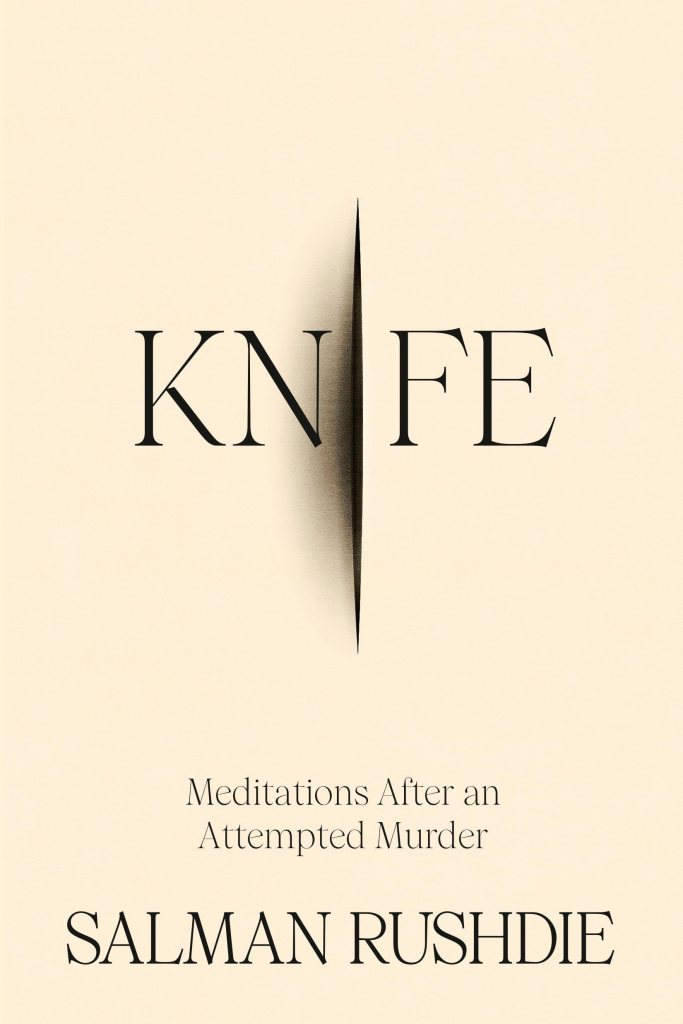
Knife is not merely an account of survival. It is an unflinching, deeply personal exploration of vulnerability, resilience, and the enduring cost of telling the truth. Rushdie shares his fears, his moments of darkness, and his slow, painful journey back to himself. He asks hard questions: could anything have prevented what happened? Did his words really warrant a blade?
And he reminds us that he is not alone. Writers like Naguib Mahfouz, who survived an assassination attempt in 1994, have also walked this harrowing path.
All of this forces a reflection that should unsettle and awaken us:
When did storytelling—a lifeline for humanity—become a dangerous enterprise?
And perhaps more urgently:
What will happen if we let fear silence it?
In Knife, Rushdie leaves us with a message that resonates like a call to arms for anyone who values art, truth, and freedom:
“Art challenges orthodoxy. To reject or vilify art because it does that is to fail to understand its nature. Art sets the artist’s passionate personal vision against the received ideas of its time. Art knows that received ideas are the enemies of art… Without art, our ability to think, to see freshly and renew our world, will wither and die. Art is not a luxury. It stands at the essence of our humanity, and it asks for no special protection except the right to exist. It accepts arguments, criticism, even rejection. It does not accept violence.”
Knife, 2024.
A Note of Gratitude
I must say, well done, Rushdie.
Thank you for being a voice for many—for daring to speak when silence would have been safer.
Thank you for contributing your voice, your stories, your bravery to the vast, essential tapestry of literature.
Your courage reminds us that storytelling is not just an art—it is an act of defiance, of hope, of humanity itself.
And hopefully, we will continue to read more stories from you—stories that challenge, that awaken, and that remind us why we must always defend the freedom to imagine.
 Book Diaries
Leave a comment