Growing Up with Stories in Nigeria
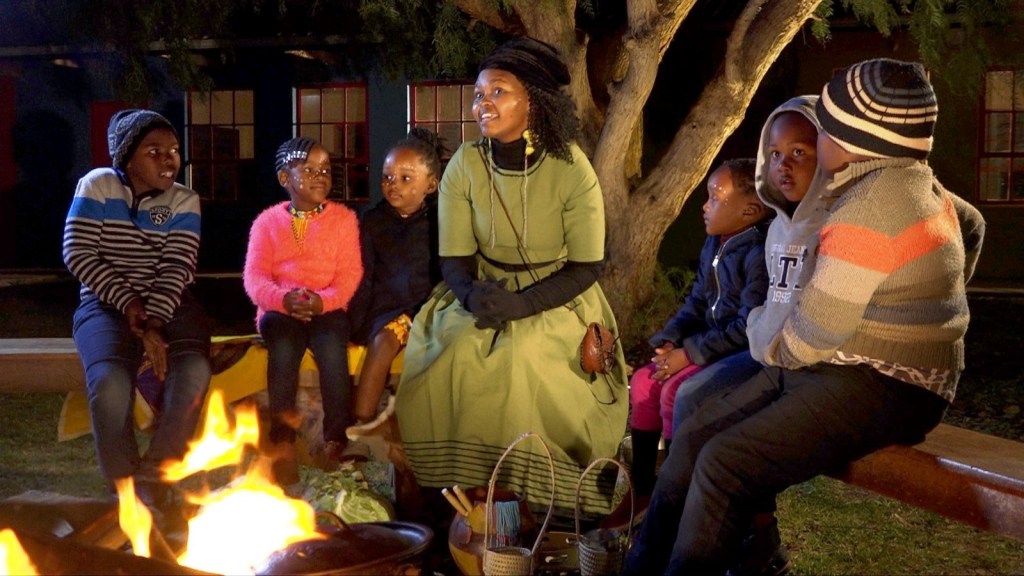
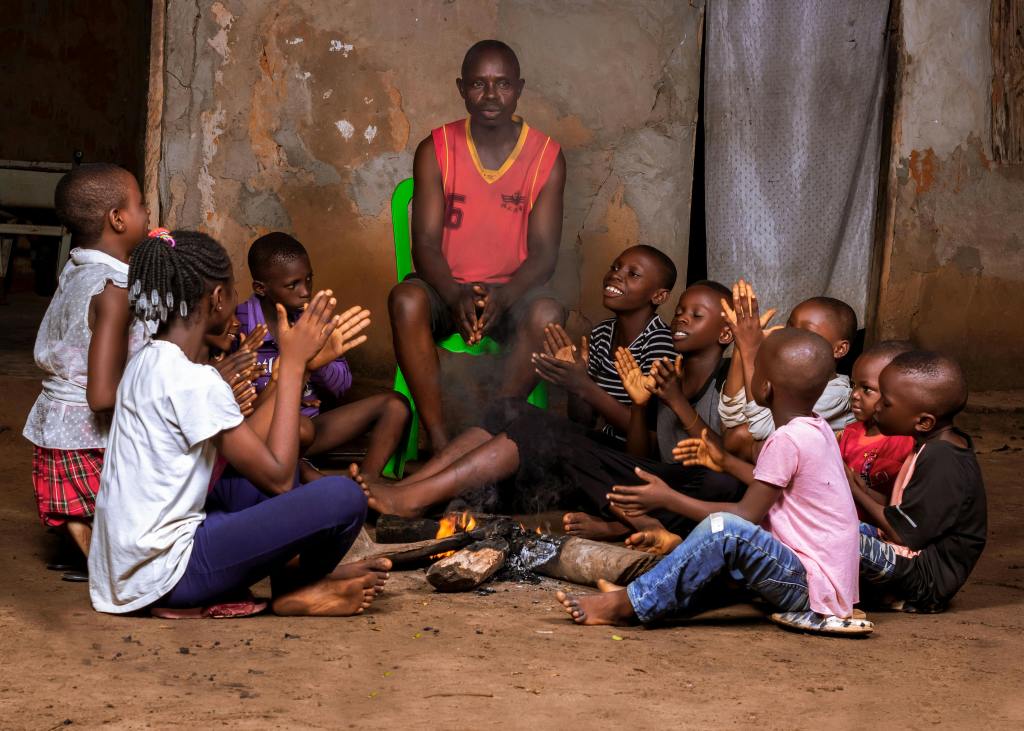
I grew up in Nigeria, with storytelling woven into the fabric of my childhood. On nights when there was no electricity, my mum—and sometimes my aunt—would gather my siblings and me on the bed and tell us stories. It was more than routine; it was culture. A cherished tradition passed down through generations. Grandparents, parents, uncles, and aunties became storytellers, weaving tales that danced through the night.
The stories were often about how the tortoise broke his shell, or how dogs became man’s best friend. They sparked our imagination, painting vivid worlds in our minds. But beyond that, they were tools. The tools our parents used to teach us morals, pass down traditions, and shape the way we saw the world. We looked forward to them every night—eager to escape into those magical moments.
The Role of Books in Preserving Tradition
Years later, as I sat with a book in my hands, that same spark from my childhood flickered to life. It made me pause and reflect: What would the world be like without stories? What would happen if these stories were never preserved in books? The thought left me with a profound sense of gratitude. Someone, somewhere, thought of the future. Because of that foresight, books have become one of the most powerful vessels we have for preserving stories.
Stories as Tools for Transformation
Stories don’t just offer us a glimpse of humanity—they reveal its soul. They shine a torch into the dark crevices of our lives, sweeping through hidden corners and forcing us to face ourselves in ways we never imagined. Books have often been described as mirrors, and they are. But they’re more than that. They don’t just reflect who we are; they show us who we could become.
So, when I pick up a book, it’s as though that childhood torch is lit once more—illuminating hidden corners, exposing truths, and guiding me toward growth. In those moments, I am not just reading; I am being remade.
 Book Diaries
Leave a comment